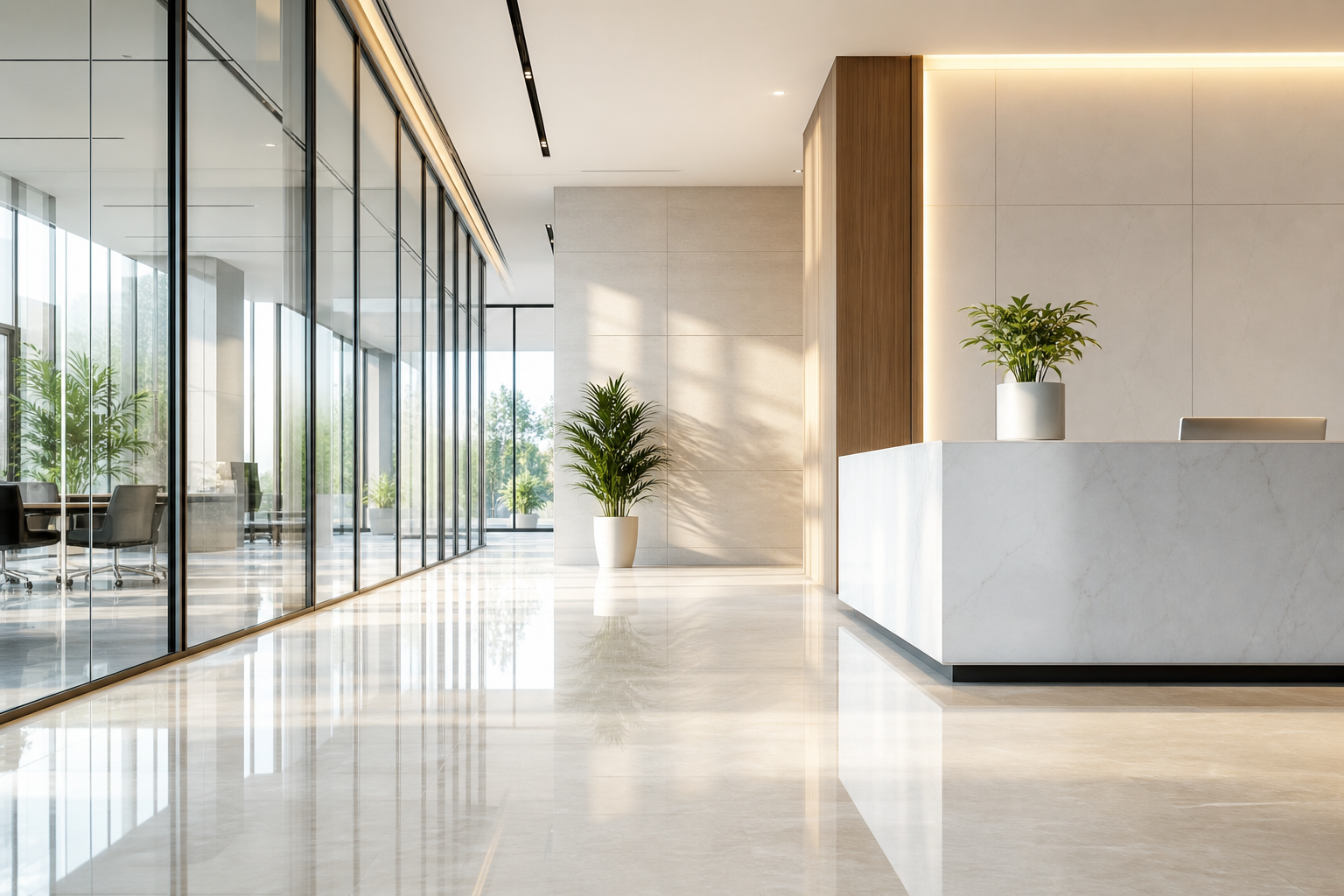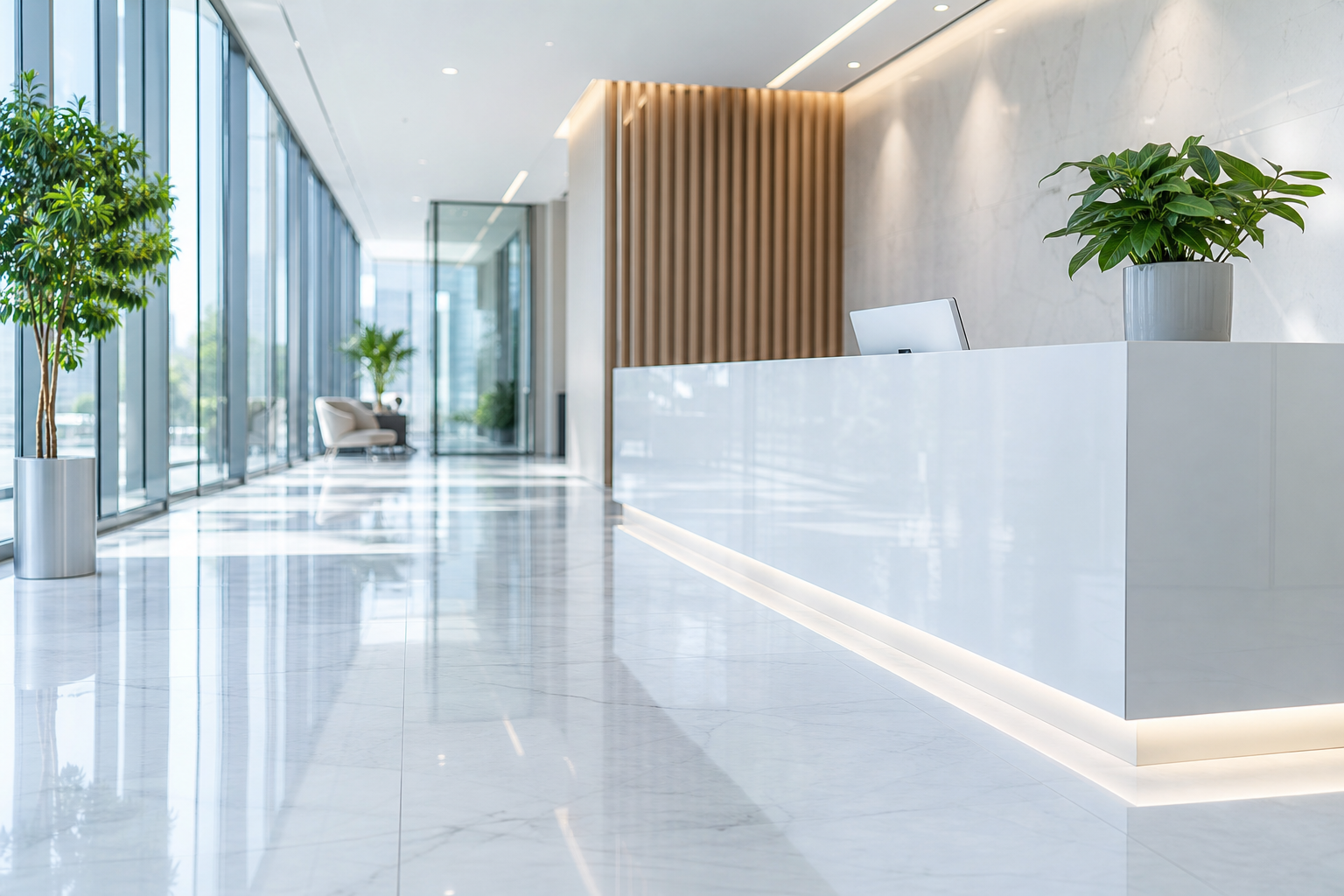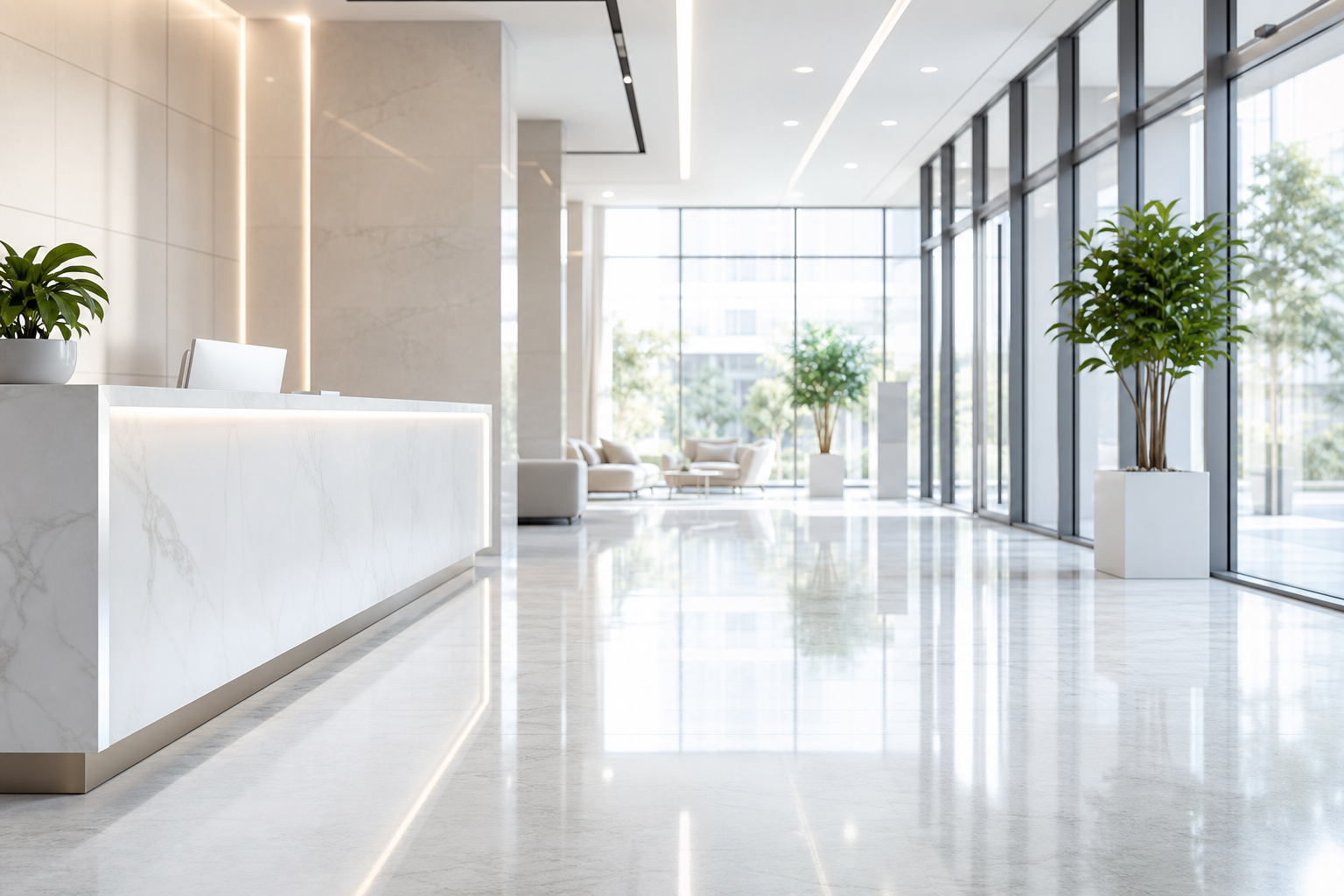
In automotive retail, your showroom floor is doing more than reflecting overhead lights—it’s broadcasting your brand promise. Before a guest reads a window sticker or meets a sales consultant, they judge credibility, inventory quality, and operational discipline by what they see underfoot. Clean, high-gloss, streak-free floors signal “well-managed, premium, trustworthy,” while hazing, black heel marks, and embedded grit quietly suggest neglect and risk.
For dealership owners and facility managers, the challenge is that showroom flooring sits at the intersection of aesthetics, safety, and asset protection. High traffic, tire residues, winter salts, detailing chemicals, and frequent events accelerate wear—driving up lifecycle costs if maintenance is reactive. The ROI question is simple: are your floors helping close deals and protecting your capital investment, or quietly eroding customer confidence and increasing slip-and-fall exposure?
First Impressions: Clean Floors Build Trust—and Trust Sells Cars
Multiple consumer behavior studies show that shoppers form first impressions within seconds, and retail research consistently ties cleanliness to perceived quality and willingness to buy. In a showroom, floors occupy a large percentage of the visual field and are highly reflective—meaning defects are amplified under LED lighting. Even minor residue (micro-scratches, detergent film, tire bloom, and salt haze) can make a new vehicle display look less premium and reduce the “new car” experience you’re paying to create with merchandising and lighting.
Actionably, dealerships should treat floors as a sales enablement asset with a documented standard of appearance (gloss level, absence of streaking, and “no visible debris within 10 feet” rules), then align cleaning frequency and chemistry to the flooring type (polished concrete, terrazzo, epoxy, LVT, or tile). The biggest performance gains come from removing gritty soil before it becomes abrasion and from eliminating residue that causes dullness and resoiling—both of which increase labor and shorten floor life.Implement a daily soil-control program: high-filtration vacuuming or dust mopping, plus entry matting sized to capture at least 10–15 feet of walk-off soil at primary entrances.
Safety, Liability, and Compliance: Floors Must Look Good and Perform Safely
Showroom floors also carry measurable risk. Slip-and-fall incidents are a major driver of premises liability claims, and glossy floors can become hazardous when contaminated by water, salt brine, detail sprays, or greasy residues near service walk-throughs. OSHA’s Walking-Working Surfaces requirements (29 CFR 1910 Subpart D) require employers to keep floors clean, orderly, and in a sanitary condition—meaning “shiny” is not enough if conditions create a recognized slip hazard. Documented inspection logs, prompt spill response, and correct cleaning methods are operational necessities, not optional aesthetics.
A cost-efficient approach is to integrate appearance standards with a slip-risk program: use entrance matting and moisture control during wet weather, spot-clean tire tracks promptly, and select floor finishes or treatments that balance gloss with traction. Professional cleaners can also standardize dilution control and chemical selection to prevent the common issue of overuse of degreasers or high-alkaline products—both of which can dull surfaces, increase resoiling, and raise restoration costs over time.
Lifecycle ROI: Proper Floor Care Protects a High-Cost Asset
From a facilities ROI standpoint, floor maintenance is about extending replacement cycles and reducing corrective labor. Grit acts like sandpaper—each footstep and tire turn can accelerate abrasion, especially on coated surfaces and high-gloss finishes. When routine care is skipped, facilities often “pay later” through more frequent stripping/recoating, polishing, or even premature replacement. In contrast, a planned maintenance program—daily soil removal, periodic machine scrubbing, and scheduled restorative work—typically costs far less than reactive restoration and helps preserve the showroom’s premium appearance year-round.
Modern cleaning technologies also improve consistency while lowering labor per square foot: auto-scrubbers with controlled solution flow reduce chemical waste; microfiber systems improve particulate capture; and high-filtration vacuums reduce fine dust that dulls reflective surfaces. The operational takeaway is clear: when floor care is specified by surface type and traffic load, you get more predictable budgets, fewer emergency “make it look good by tomorrow” situations, and a showroom that supports sales instead of distracting from it.
Conclusion
Your showroom floors are your dealership’s first sales pitch: they shape first impressions, reinforce brand quality, and influence customer confidence before a single word is spoken. When maintained to a defined standard, floors also reduce slip risks, support OSHA-aligned housekeeping expectations, and protect the lifecycle value of expensive surfaces—delivering tangible ROI through lower restoration costs and a consistently premium buyer experience.
If you want floors that sell—without pulling your team away from revenue-driving tasks—partner with a professional commercial cleaning provider who understands dealership traffic patterns, floor-specific chemistry, and performance-based maintenance scheduling. The right program will keep your showroom “delivery-day ready” every day, reduce liability exposure, and extend the life of your flooring investment—so your first sales pitch is always working in your favor.
Safety, Liability, and Compliance: Floors Must Look Good and Perform Safely
Showroom floors also carry measurable risk. Slip-and-fall incidents are a major driver of premises liability claims, and glossy floors can become hazardous when contaminated by water, salt brine, detail sprays, or greasy residues near service walk-throughs. OSHA’s Walking-Working Surfaces requirements (29 CFR 1910 Subpart D) require employers to keep floors clean, orderly, and in a sanitary condition—meaning “shiny” is not enough if conditions create a recognized slip hazard. Documented inspection logs, prompt spill response, and correct cleaning methods are operational necessities, not optional aesthetics.
A cost-efficient approach is to integrate appearance standards with a slip-risk program: use entrance matting and moisture control during wet weather, spot-clean tire tracks promptly, and select floor finishes or treatments that balance gloss with traction. Professional cleaners can also standardize dilution control and chemical selection to prevent the common issue of overuse of degreasers or high-alkaline products—both of which can dull surfaces, increase resoiling, and raise restoration costs over time.
Lifecycle ROI: Proper Floor Care Protects a High-Cost Asset
From a facilities ROI standpoint, floor maintenance is about extending replacement cycles and reducing corrective labor. Grit acts like sandpaper—each footstep and tire turn can accelerate abrasion, especially on coated surfaces and high-gloss finishes. When routine care is skipped, facilities often “pay later” through more frequent stripping/recoating, polishing, or even premature replacement. In contrast, a planned maintenance program—daily soil removal, periodic machine scrubbing, and scheduled restorative work—typically costs far less than reactive restoration and helps preserve the showroom’s premium appearance year-round.
Modern cleaning technologies also improve consistency while lowering labor per square foot: auto-scrubbers with controlled solution flow reduce chemical waste; microfiber systems improve particulate capture; and high-filtration vacuums reduce fine dust that dulls reflective surfaces. The operational takeaway is clear: when floor care is specified by surface type and traffic load, you get more predictable budgets, fewer emergency “make it look good by tomorrow” situations, and a showroom that supports sales instead of distracting from it.
Conclusion
Your showroom floors are your dealership’s first sales pitch: they shape first impressions, reinforce brand quality, and influence customer confidence before a single word is spoken. When maintained to a defined standard, floors also reduce slip risks, support OSHA-aligned housekeeping expectations, and protect the lifecycle value of expensive surfaces—delivering tangible ROI through lower restoration costs and a consistently premium buyer experience.
If you want floors that sell—without pulling your team away from revenue-driving tasks—partner with a professional commercial cleaning provider who understands dealership traffic patterns, floor-specific chemistry, and performance-based maintenance scheduling. The right program will keep your showroom “delivery-day ready” every day, reduce liability exposure, and extend the life of your flooring investment—so your first sales pitch is always working in your favor.
- Implement a daily soil-control program: high-filtration vacuuming or dust mopping, plus entry matting sized to capture at least 10–15 feet of walk-off soil at primary entrances.
- Use manufacturer-approved neutral cleaners and auto-scrubbers with the correct pads/brushes to avoid etching, micro-scratching, or leaving detergent film that attracts dirt.
- Schedule periodic restorative maintenance (burnishing, deep scrubbing, or refinishing as applicable) based on traffic patterns—not just calendar intervals—to keep gloss consistent across the sales floor.
Safety, Liability, and Compliance: Floors Must Look Good and Perform Safely
Showroom floors also carry measurable risk. Slip-and-fall incidents are a major driver of premises liability claims, and glossy floors can become hazardous when contaminated by water, salt brine, detail sprays, or greasy residues near service walk-throughs. OSHA’s Walking-Working Surfaces requirements (29 CFR 1910 Subpart D) require employers to keep floors clean, orderly, and in a sanitary condition—meaning “shiny” is not enough if conditions create a recognized slip hazard. Documented inspection logs, prompt spill response, and correct cleaning methods are operational necessities, not optional aesthetics.
A cost-efficient approach is to integrate appearance standards with a slip-risk program: use entrance matting and moisture control during wet weather, spot-clean tire tracks promptly, and select floor finishes or treatments that balance gloss with traction. Professional cleaners can also standardize dilution control and chemical selection to prevent the common issue of overuse of degreasers or high-alkaline products—both of which can dull surfaces, increase resoiling, and raise restoration costs over time.
Lifecycle ROI: Proper Floor Care Protects a High-Cost Asset
From a facilities ROI standpoint, floor maintenance is about extending replacement cycles and reducing corrective labor. Grit acts like sandpaper—each footstep and tire turn can accelerate abrasion, especially on coated surfaces and high-gloss finishes. When routine care is skipped, facilities often “pay later” through more frequent stripping/recoating, polishing, or even premature replacement. In contrast, a planned maintenance program—daily soil removal, periodic machine scrubbing, and scheduled restorative work—typically costs far less than reactive restoration and helps preserve the showroom’s premium appearance year-round.
Modern cleaning technologies also improve consistency while lowering labor per square foot: auto-scrubbers with controlled solution flow reduce chemical waste; microfiber systems improve particulate capture; and high-filtration vacuums reduce fine dust that dulls reflective surfaces. The operational takeaway is clear: when floor care is specified by surface type and traffic load, you get more predictable budgets, fewer emergency “make it look good by tomorrow” situations, and a showroom that supports sales instead of distracting from it.
Conclusion
Your showroom floors are your dealership’s first sales pitch: they shape first impressions, reinforce brand quality, and influence customer confidence before a single word is spoken. When maintained to a defined standard, floors also reduce slip risks, support OSHA-aligned housekeeping expectations, and protect the lifecycle value of expensive surfaces—delivering tangible ROI through lower restoration costs and a consistently premium buyer experience.
If you want floors that sell—without pulling your team away from revenue-driving tasks—partner with a professional commercial cleaning provider who understands dealership traffic patterns, floor-specific chemistry, and performance-based maintenance scheduling. The right program will keep your showroom “delivery-day ready” every day, reduce liability exposure, and extend the life of your flooring investment—so your first sales pitch is always working in your favor.