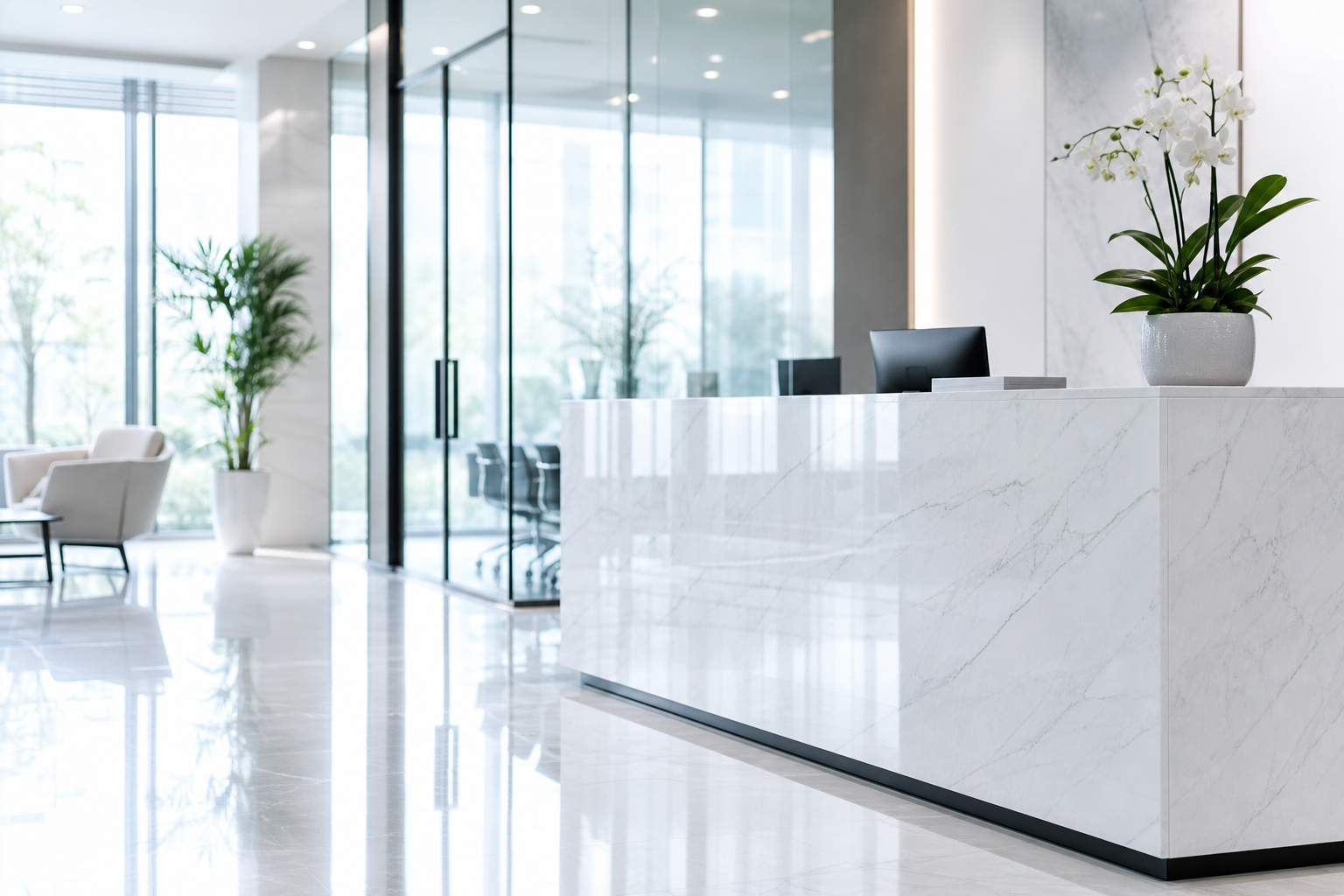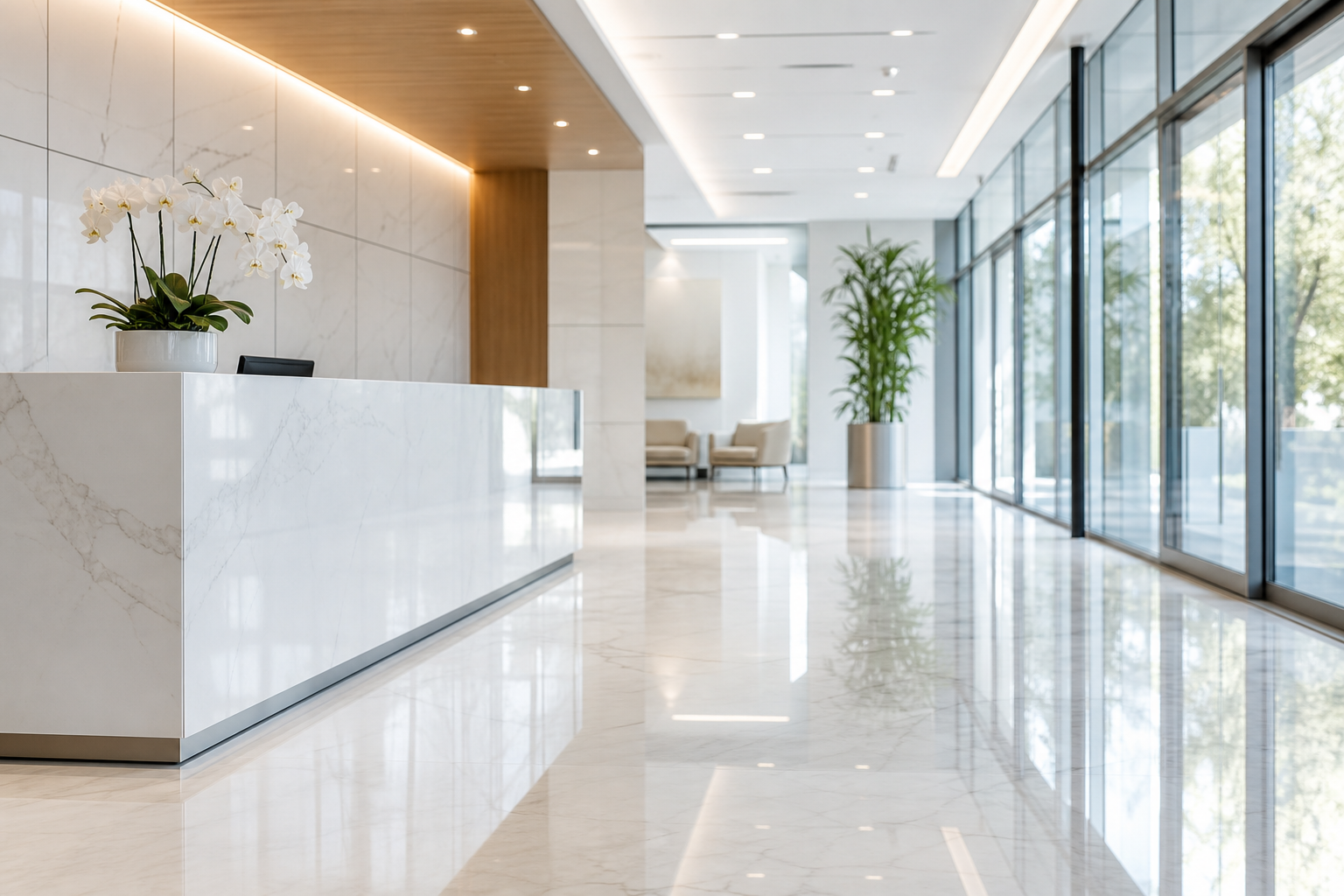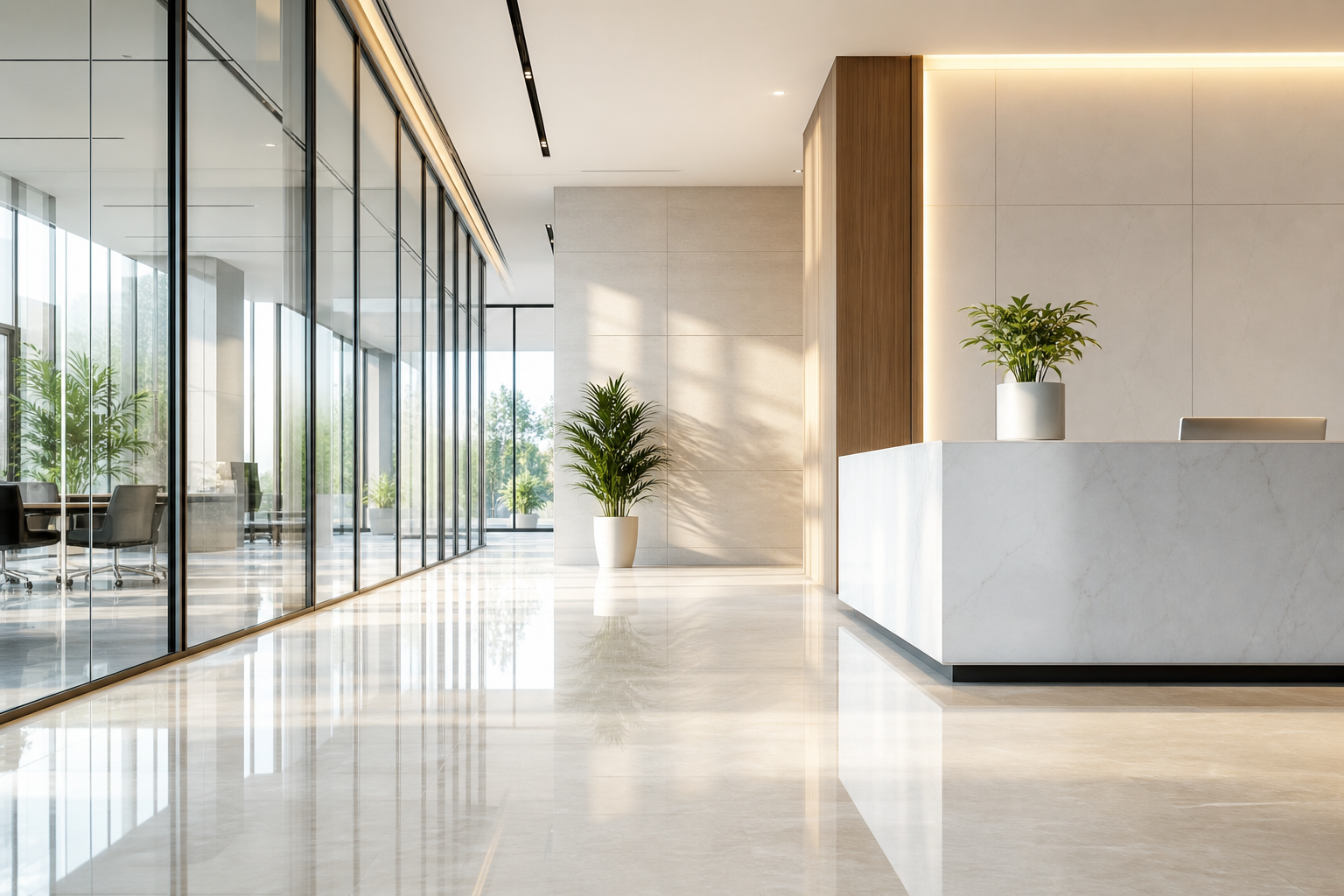
In automotive retail, customers decide whether a dealership feels “premium” in seconds—and your showroom floor is the largest, most continuously judged surface in the building. Before a guest reads a window sticker or speaks to a sales consultant, they read the floor: its gloss, cleanliness, traction, and even its smell. A spotless, high-clarity finish communicates trust, attention to detail, and vehicle quality; a dull, stained, or slippery surface signals neglect and undermines confidence in everything else you’re presenting.
Showroom floors also carry a direct operational and financial impact. Foot traffic, tire rubber, salt brine, and petroleum-based residues create a constant cycle of soil loading that can accelerate wear and drive up maintenance costs. At the same time, slip-and-fall exposure and brand damage create risk well beyond the price of cleaning. A disciplined floor care program turns a high-visibility cost center into a measurable ROI lever: longer floor life, fewer incidents, faster daily resets, and a consistently high-end customer experience.
The Psychology of Shine: How Floors Influence Trust and Buying Behavior
Retail research consistently shows that the physical environment shapes perceived value and willingness to spend—cleanliness and condition act as “quality cues” when shoppers evaluate high-ticket purchases. In a dealership, the showroom floor acts like stage lighting: it frames the vehicles, enhances reflections, and affects how colors and finishes read. Grout haze, embedded tire marks, and traffic lane dulling don’t just look “a bit dirty”—they reduce perceived professionalism and can subtly increase customer skepticism during the sales process.
The good news is that floor appearance is one of the most controllable drivers of first impressions. The key is matching the cleaning chemistry, equipment, and frequency to the soil profile of an automotive environment—especially rubber residue, winter de-icers, and oil/grease transfer from service lanes and customer footwear. A structured program centered on daily neutral cleaning, targeted degreasing, and scheduled restorative work keeps gloss uniform and prevents permanent etching or staining that later requires costly refinishing.
- Use entrance matting that captures fine grit and moisture (the primary cause of micro-scratching and dulling) and maintain it as rigorously as the showroom itself.
- Implement daily auto-scrubbing with a neutral cleaner matched to the floor type (porcelain, polished concrete, terrazzo, VCT) to remove soils before they abrade the finish.
- Schedule periodic “spot restoration” (rubber removal, degrease treatment, burnishing or polishing where applicable) to eliminate traffic-lane discoloration before it becomes permanent.
Risk, Liability, and Compliance: Clean Floors Must Also Be Safe Floors
Showroom floors face a dual requirement: they must look exceptional and maintain safe traction—especially during rain and snow seasons when moisture and salt brine are tracked inside. Slip-and-fall incidents remain a major liability driver for commercial properties, and floor conditions (wet contamination, improper finish selection, and residue from incorrect chemicals) are common contributing factors. Aligning your program with recognized guidance—such as ANSI/ISEA 105 walkway management practices and OSHA’s expectations for maintaining walking-working surfaces—reduces exposure while supporting a premium aesthetic.
Cost-efficiency comes from preventing problems rather than reacting to them. Overuse of high-gloss coatings or inappropriate cleaners can leave a slick film, increase resoiling, and force more frequent deep cleans. A professional program uses the right dilution control, microfiber application, and recovery systems to prevent residue while keeping your floors inspection-ready throughout business hours. The operational payoff is fewer emergency cleanups, less disruption to sales staff, and lower total floor lifecycle cost.
ROI by Design: Extending Floor Life and Reducing Total Maintenance Cost
From a facility management standpoint, the most expensive floor care is the kind you do too late. Grit acts like sandpaper, and rubber/plasticizer transfer from tires bonds to surfaces—especially in high-traffic display and F&I corridors. Without a preventative plan, facilities often fall into a cycle of frequent “make it look better” interventions that don’t address embedded soils, leading to premature refinishing or replacement. In contrast, a documented maintenance standard (daily, weekly, monthly, and quarterly tasks) protects the finish, reduces restorative frequency, and preserves the floor’s designed appearance for years longer.
A practical ROI framework looks like this: (1) reduce abrasive soil entry through matting and entry cleaning, (2) remove contaminants daily with the correct scrubber pads/brushes and chemistry, (3) restore gloss and traction on a schedule using low-disruption methods like burnishing (for VCT/finish systems) or diamond polishing (for polished concrete/terrazzo), and (4) document results with visual standards and inspection logs. When floors stay consistently presentable, you also reduce the hidden costs of brand dilution—less need for “all hands” cleanup before events, fewer customer complaints, and more time for sales teams to focus on selling.
Conclusion
Your showroom floor is not just maintenance—it’s merchandising. A bright, uniform, safe surface elevates vehicle presentation, reinforces professionalism, and supports customer confidence at the exact moment they decide whether your dealership feels worth the price. With the right processes, equipment, and scheduling, you can reduce liability exposure, extend floor life, and lower total cost of ownership while delivering a consistently high-end first impression.
If you want your showroom to sell before your team speaks, partner with a professional commercial cleaning provider that understands automotive soils, floor system specifications, and risk management. A specialized dealership floor care program delivers measurable ROI through longer-lasting finishes, fewer disruptive restorations, safer walking surfaces, and a showroom that looks “new car” clean every day—helping your vehicles (and your brand) command top value.